Preventive dental care is the foundation of long-term oral health. Rather than waiting for pain or visible damage to appear, preventive care focuses on stopping problems before they start. From routine cleanings to early cavity detection, regular visits to the dentist can save time, money, and discomfort in the future.
Choosing the right provider plays a major role in how consistent and effective the care will be. Many households turn to family dentists because they offer comprehensive services for patients of all ages under one roof. This approach simplifies scheduling, builds trust, and supports healthier smiles across every stage of life.
Comprehensive Care for Every Stage of Life
One of the biggest advantages of working with family dentists is the ability to receive consistent care from childhood through adulthood. Instead of switching providers as children grow or as adults develop new dental needs, patients can remain with the same practice for years.
This continuity allows the dental team to understand a patient’s history, habits, and risk factors. For children, preventive services often include fluoride treatments, dental sealants, and guidance on brushing and flossing techniques. For teens, it may involve monitoring wisdom teeth or addressing orthodontic concerns. Adults benefit from routine cleanings, oral cancer screenings, and gum disease prevention. Seniors may need additional monitoring for tooth wear, dry mouth, or restorative needs.
When a provider understands the full dental history of each family member, it becomes easier to spot subtle changes early. This proactive approach helps prevent minor issues from turning into major problems.
Early Detection Saves Time and Money
Preventive care is not just about clean teeth; it is about identifying risks before they become serious. Cavities, gum disease, and even oral infections can begin silently. Without routine exams, these conditions may go unnoticed until discomfort develops.
Regular checkups typically include professional cleanings, digital X-rays, and thorough examinations. These tools allow dentists to detect small cavities, early signs of periodontal disease, or structural weaknesses in teeth. Addressing concerns at an early stage often requires simpler and less invasive treatments.
For example, a small cavity may be treated with a simple filling. Left untreated, that same cavity could lead to a root canal or even tooth extraction. Preventive visits reduce the likelihood of emergency procedures, which are often more expensive and stressful. Over time, this proactive strategy can result in significant financial savings and fewer disruptions to daily life.
Convenience Encourages Consistency
Busy schedules can make it difficult to prioritize healthcare appointments. Between school, work, and extracurricular activities, coordinating multiple dental visits at different offices can feel overwhelming. That is why many households prefer dentists who allow parents and children to book appointments on the same day.
Having one location for everyone simplifies scheduling and reduces travel time. Parents can model positive dental habits by attending appointments alongside their children. This shared experience often reduces anxiety for younger patients and reinforces the importance of routine care.
Consistency is key when it comes to prevention. When appointments are easy to schedule and maintain, patients are more likely to attend them regularly. Over time, these consistent visits contribute to stronger oral health and fewer unexpected issues.
Building Trust and Reducing Dental Anxiety
Dental anxiety affects patients of all ages. Fear of discomfort, unfamiliar environments, or negative past experiences can cause individuals to delay necessary care. Preventive treatment works best when visits are regular and stress-free.
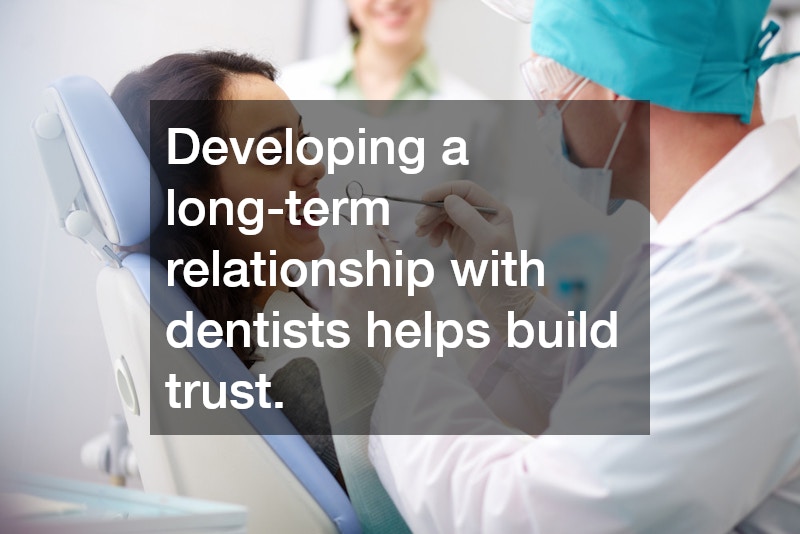
Developing a long-term relationship with dentists helps build trust. Familiar faces, predictable routines, and open communication create a comfortable environment. Children who grow up seeing the same dentist often feel more at ease during appointments. As they transition into adolescence and adulthood, that comfort typically continues.
A trusted provider can also tailor preventive strategies to each patient’s needs. Whether someone requires additional gum care, dietary guidance, or specialized cleaning techniques, personalized attention makes a difference. Feeling heard and understood encourages patients to ask questions and follow through with recommended care plans.
In addition, a supportive dental team can offer education that empowers families. Teaching proper brushing techniques, explaining the impact of sugar on enamel, and discussing the importance of flossing all contribute to better habits at home. Preventive care does not end when patients leave the office; it continues through daily routines.
Preventive dental care is an investment in long-term health and confidence. By focusing on early detection, routine cleanings, and consistent monitoring, patients can avoid many common oral health problems.
Choosing family dentists provides added advantages, including comprehensive care for all ages, streamlined scheduling, and a trusted relationship built over time. These benefits encourage regular visits, reduce anxiety, and promote healthier habits at home.
When prevention becomes a priority, smiles stay brighter and healthier for years to come. Ultimately, prioritizing preventive care today lays the groundwork for a lifetime of strong teeth, healthy gums, and confident smiles for every member of the household.