
Preventive dental care plays a critical role in shaping long-term oral health outcomes. While many people associate dental visits with treating pain or fixing visible problems, the real value often lies in the care received before issues escalate. Consistent preventive habits can slow deterioration, reduce the need for invasive procedures, and preserve natural tooth structure for as long as possible. When oral health is maintained early, patients typically face fewer limitations if restorative work becomes necessary later.
The condition of the gums, jawbone, and surrounding tissues directly influences what restorative solutions are viable. Teeth that are well cared for over time tend to respond better to treatments and heal more predictably. Preventive efforts also help identify changes early, allowing dentists to intervene with conservative measures rather than aggressive repairs. This proactive approach can significantly impact comfort, cost, and overall treatment success.
Understanding how everyday dental care decisions affect future options empowers individuals to take control of their oral health. By prioritizing prevention, patients protect not only their smiles but also the range of restorative choices available to them in the years ahead.
The Long-Term Impact of Early Tooth Preservation
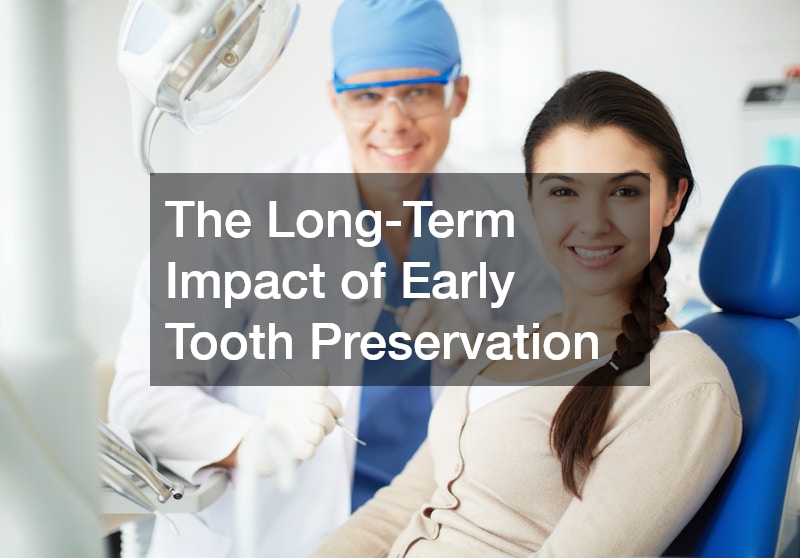
Preventive care is often the deciding factor in whether a tooth can be preserved or must be replaced. When enamel is protected and decay is addressed early, teeth maintain their strength and function far longer. Regular monitoring allows dentists to detect structural weaknesses before fractures or infections occur. This preservation is essential because once a natural tooth is lost, replacement becomes the only option.
Patients who delay care may eventually require a dental implant, which can be an effective solution but is often more complex than maintaining a natural tooth. Implant placement depends on adequate bone density and healthy gums, both of which are directly influenced by preventive habits. Poor oral hygiene and untreated gum disease can compromise these structures, limiting eligibility or increasing procedural difficulty.
Preventive visits also reduce inflammation and bacterial buildup that contribute to bone loss. When the jawbone remains strong, restorative treatments are more predictable and stable. By investing in early care, patients often avoid surgical interventions altogether. Preserving natural teeth whenever possible not only maintains oral function but also expands future restorative choices. Prevention creates a foundation that supports long-term flexibility and better outcomes.
Alignment and Its Role in Preventive Success
Proper tooth alignment plays a significant role in maintaining oral health over time. Crowded or misaligned teeth can trap food particles and plaque, making routine cleaning less effective. These areas are more prone to decay and gum disease, even in patients who brush and floss regularly. Preventive care focuses on identifying these alignment challenges early to reduce long-term risks.
An orthodontist can evaluate how bite alignment affects oral health and recommend corrective strategies when necessary. Straighter teeth are easier to clean, which lowers the likelihood of cavities and inflammation. When preventive alignment care is addressed early, patients often avoid extensive restorative procedures later in life.
Misalignment can also place uneven pressure on teeth, leading to cracks, enamel wear, and jaw discomfort. Over time, these stresses may necessitate restorative intervention. Preventive alignment correction helps distribute bite forces evenly, preserving tooth structure and joint health. This proactive approach supports long-term stability and keeps restorative needs minimal. Alignment-focused prevention is not only about appearance but also about maintaining a healthy, functional mouth that requires fewer repairs over time.
Aesthetic Maintenance Through Preventive Care

Preventive dentistry contributes significantly to maintaining a natural, healthy appearance. Staining, uneven wear, and minor chips often begin as small issues that worsen without early intervention. Routine cleanings and exams allow dentists to monitor cosmetic concerns before they become more noticeable or harder to correct.
Many patients eventually explore cosmetic dentistry to enhance their smile, but the success of these treatments often depends on the condition of the teeth beforehand. Preventive care ensures that enamel remains strong and gums stay healthy, creating an ideal foundation for aesthetic improvements. Teeth that are free from decay and inflammation respond better to whitening, reshaping, and other enhancements.
Ignoring preventive care can lead to discoloration caused by plaque buildup or gum recession that alters the smile’s appearance. Early intervention preserves symmetry and brightness while reducing the need for extensive cosmetic procedures. By maintaining oral health proactively, patients retain more options for subtle enhancements rather than corrective treatments. Prevention supports both health and appearance, allowing cosmetic goals to be achieved with less intervention and greater longevity.
Structural Support and Tooth Replacement Readiness
When a tooth is lost, the surrounding structures determine how effectively it can be replaced. Preventive care helps maintain bone density and gum integrity, which are essential for successful restorations. Without consistent care, bone loss can begin quickly, narrowing future treatment options.
Patients considering dental implants benefit greatly from strong preventive habits. Healthy gums and adequate bone volume are critical for implant stability and long-term success. Preventive visits help control bacteria that contribute to bone deterioration, preserving the foundation needed for advanced restorative solutions.
Routine care also allows dentists to monitor changes after extractions or injuries. Early detection of bone loss enables timely interventions that protect future options. Patients who prioritize prevention often experience smoother restorative processes with fewer complications. Maintaining oral health before tooth loss occurs ensures that replacement choices remain flexible and predictable. Preventive care is a key factor in determining whether modern restorative techniques are viable and successful.
Preventive Care and Targeted Tooth Restoration
When decay or damage affects a single tooth, the success of restoring it often depends on how well the surrounding area has been maintained. Preventive dental care helps ensure that adjacent teeth and gums remain healthy, reducing complications during focused restorative procedures. Early intervention limits the spread of decay and keeps structural damage contained.
For patients facing single tooth replacement, preventive care can make the process significantly smoother. Healthy gum tissue supports proper healing and ensures that restorations integrate naturally with surrounding teeth. Preventive checkups also allow dentists to identify minor problems before they compromise neighboring teeth, preserving balance across the bite.
Without preventive care, untreated decay can weaken nearby structures, increasing the complexity of replacing one tooth. Inflammation or infection may spread, forcing broader treatment than originally necessary. Preventive habits reduce these risks and protect the integrity of the entire dental arch. By maintaining consistent oral care, patients preserve the option for precise, conservative restorations rather than extensive corrective work. Preventive care keeps single-tooth solutions predictable and effective.
Protecting Tooth Structure Through Ongoing Monitoring
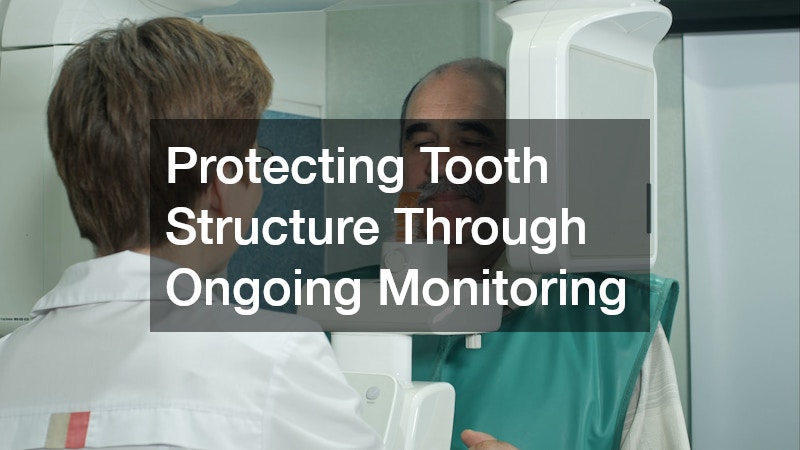
Maintaining the strength of natural teeth is one of the primary goals of preventive dentistry. Small cracks, weakened enamel, or early decay can compromise tooth integrity if left untreated. Regular monitoring allows dentists to reinforce teeth before damage worsens, preserving function and appearance.
When damage becomes unavoidable, dental crowns may be recommended to restore strength and prevent further deterioration. Teeth that have benefited from preventive care often require less preparation for crowns, allowing more natural structure to remain intact. Healthy surrounding tissue also supports better crown fit and longevity.
Neglecting preventive visits increases the likelihood of extensive decay, which may weaken a tooth beyond repair. In such cases, crowns may become less viable or require additional procedures. Preventive care minimizes these risks by addressing problems early. By maintaining strong enamel and healthy gums, patients ensure that restorative treatments remain conservative and durable. Ongoing monitoring protects teeth and keeps restorative solutions effective over the long term.
Gum Health as a Foundation for Restoration
Healthy gums are essential for every aspect of dental restoration because they form the biological foundation that supports teeth and surrounding structures. Preventive care focuses heavily on maintaining gum tissue since inflammation and infection can weaken this foundation over time. Even the most advanced restorative treatments rely on healthy soft tissue to heal properly and remain stable. Gum disease often develops gradually and without obvious symptoms, which makes routine professional care critical for early detection. Without consistent monitoring, minor irritation can progress into more serious conditions that undermine future treatment success. Preventive gum care helps ensure that restorations are placed in an environment capable of long-term support rather than one already compromised by disease.
Procedures such as deep cleanings remove bacteria and hardened buildup from below the gumline, where daily brushing and flossing cannot effectively reach. These treatments are designed to disrupt the bacterial colonies that cause inflammation and tissue breakdown. By reducing infection at its source, preventive care helps slow or stop the progression of gum disease before irreversible damage occurs. Protecting the bone that supports the teeth is especially important, as bone loss can directly affect the stability of both natural teeth and restorations. When gums are healthy and inflammation is controlled, restorative procedures tend to heal more predictably and maintain their integrity for longer periods.
Ignoring gum health can lead to progressive recession, gradual bone loss, and increasing tooth instability. These changes complicate restorative efforts by reducing the amount of healthy tissue available for support and healing. In advanced cases, treatment options may become more limited or require additional procedures to correct underlying issues first. Preventive gum care ensures a stable and balanced oral environment that supports both natural teeth and restorative work. By controlling inflammation early, patients preserve the structures necessary for long-term oral health. Gum-focused prevention directly influences the success, durability, and predictability of restorative dental treatment over time.
Preventive Guidance and Intervention

Routine dental visits provide more than just cleanings; they offer guidance that shapes long-term outcomes. Dentists assess risk factors, recommend personalized care strategies, and monitor subtle changes that patients may overlook. This ongoing relationship supports proactive decision-making.
A general dentist plays a central role in preventive care by coordinating monitoring, education, and early treatment. Regular exams allow potential issues to be addressed before they escalate into major restorative needs. Preventive guidance also helps patients understand how habits, diet, and oral hygiene affect future treatment options.
Without consistent oversight, small problems can progress unnoticed until significant intervention is required. Preventive appointments reduce uncertainty and provide clarity about oral health status. Patients who maintain regular care often experience fewer surprises and more treatment flexibility. Preventive guidance ensures that restorative decisions are informed, timely, and aligned with long-term health goals.
Strengthening Enamel for Long-Term Stability
Enamel protection is a cornerstone of preventive dentistry. Once enamel is compromised, teeth become more vulnerable to decay and sensitivity. Preventive strategies focus on reinforcing enamel to preserve tooth strength and resilience.
Treatments such as fluoride therapy help remineralize enamel and slow the progression of early decay. This added protection can delay or eliminate the need for restorative intervention. Strong enamel also improves the durability of future restorations by providing a stable surface for bonding.
When enamel erosion is ignored, teeth may weaken to the point where restorative options become limited. Preventive reinforcement maintains tooth integrity and supports long-term oral health. By strengthening enamel early, patients reduce the likelihood of extensive repairs. Preventive enamel care preserves natural teeth and enhances the success of any future restorative treatments.
Preparing for Advanced Tooth Replacement Solutions
Advanced restorative options require a healthy oral environment to succeed. Preventive care ensures that bone, gums, and surrounding teeth remain strong enough to support complex procedures. Without this foundation, treatment outcomes may be compromised.
A tooth implant relies on stable bone integration and healthy tissue. Preventive care helps preserve these conditions by controlling infection and minimizing bone loss. Patients who maintain consistent oral hygiene and professional care often experience better implant stability and longevity.
Neglecting preventive habits increases the risk of complications, including implant failure. Preventive care protects the structures that support advanced restorations, keeping options open and outcomes predictable. Preparing the mouth through prevention ensures that restorative solutions perform as intended. Long-term success begins with consistent, proactive care.
Preventive dental care shapes every aspect of long-term oral health and directly influences restorative possibilities. By addressing issues early, patients protect natural teeth, maintain gum health, and preserve bone structure. These efforts reduce the need for invasive procedures and expand the range of viable restorative solutions over time.
Consistent prevention supports flexibility, allowing treatments to be more conservative and effective. Patients who prioritize routine care often experience smoother restorative processes and better outcomes. Preventive habits also reduce overall treatment costs and discomfort by limiting disease progression.
Whether the goal is maintaining natural teeth or preparing for future restoration, prevention remains the most powerful tool. A strong foundation built through proactive care ensures that restorative options remain accessible, predictable, and long-lasting. Preventive dentistry is not just about avoiding problems—it’s about preserving choice, comfort, and confidence for years to come.