Modern fitness centers are no longer just places filled with exercise equipment and workout classes. Today’s gyms and wellness studios focus on creating complete health experiences that support physical fitness, mental well-being, and long-term lifestyle improvements. Members expect convenience, personalization, and supportive environments that make it easier to stay committed to their wellness goals. As the fitness industry continues evolving, technology has become a major factor in helping facilities deliver better experiences for every member.
From booking classes online to tracking workout progress through mobile apps, digital tools have transformed how people interact with fitness centers. Members appreciate systems that simplify scheduling, improve communication, and create a more organized experience during every visit.
Fitness businesses that embrace technology are often better equipped to build stronger relationships with clients while improving operational efficiency behind the scenes.
A reliable gym management system plays a major role in supporting these goals. By streamlining daily operations and improving member engagement, these systems help create smoother and more enjoyable wellness experiences. Whether someone is attending group fitness classes, meeting with a personal trainer, or managing a membership account, efficient digital tools can make the overall fitness journey more convenient and rewarding.
Simplifying Scheduling and Class Reservations
Convenience is one of the most important factors influencing member satisfaction. People with busy schedules want fitness experiences that fit easily into their daily routines. Complicated booking systems or long wait times can create frustration and discourage consistent participation.
Online scheduling tools allow members to reserve fitness classes, personal training sessions, or wellness appointments from their phones or computers. This flexibility helps individuals plan workouts around work, family responsibilities, and other commitments. Instant booking confirmations and reminders also reduce the likelihood of missed sessions.
Simplified scheduling benefits fitness facilities as well. Staff members spend less time handling manual reservations and can focus more on supporting members directly. Automated scheduling systems also improve organization by preventing double bookings and maintaining accurate attendance records.
Improving Communication With Members
Strong communication helps create positive relationships between fitness centers and their members. Clear updates, reminders, and personalized messages make clients feel more connected and supported throughout their wellness journey.
Digital communication tools allow fitness businesses to send appointment reminders, class updates, wellness tips, and motivational content directly to members. These messages help keep individuals informed while encouraging continued participation in healthy activities.
A well-designed gym management system can centralize communication and ensure members receive timely notifications about schedule changes, promotions, or important announcements. Automated communication also reduces the chance of misunderstandings or missed information.
Supporting Personalized Wellness Goals
Every member has different fitness goals, preferences, and health needs. Some individuals focus on weight loss, while others prioritize strength training, flexibility, stress reduction, or overall wellness. Personalized support helps members stay motivated and achieve better long-term results.
Technology allows fitness centers to track attendance, workout history, and progress over time. Trainers and staff can use this information to recommend classes, create customized fitness plans, and monitor individual achievements. Personalized guidance helps members feel more confident in their wellness journey.
Goal tracking tools also improve accountability. Members can monitor milestones, view progress reports, and celebrate achievements as they continue working toward healthier lifestyles. Visible progress often increases motivation and encourages consistent participation.
Enhancing Accessibility and Convenience
Accessibility is essential for helping members maintain consistent wellness habits. Digital tools make it easier for individuals to engage with fitness services regardless of their schedule or location.
Mobile-friendly platforms allow members to check schedules, update account information, make payments, and communicate with trainers from anywhere. This level of convenience supports ongoing engagement and reduces barriers to participation.
Some wellness facilities also offer virtual classes, on-demand workouts, or online wellness resources. These options provide flexibility for members who travel frequently, work remotely, or prefer exercising at home occasionally. Expanding access beyond the physical gym helps individuals maintain healthier routines even when life becomes busy.
An efficient gym management system helps coordinate these digital experiences while ensuring members can access services smoothly across multiple platforms. Consistency and ease of use improve overall satisfaction and encourage long-term participation in wellness programs.
Supporting Staff Efficiency and Better Service
Staff performance directly affects the quality of the member experience. Trainers, instructors, and front desk employees can provide better service when they have access to organized information and efficient tools.
Automated systems reduce time spent on repetitive administrative tasks such as scheduling, billing, and attendance tracking. This allows employees to focus more on member support, coaching, and relationship building.
Access to accurate member information also improves service quality. Staff can quickly review attendance history, preferences, and wellness goals to provide more personalized interactions. Members often appreciate when employees remember details about their progress and interests.
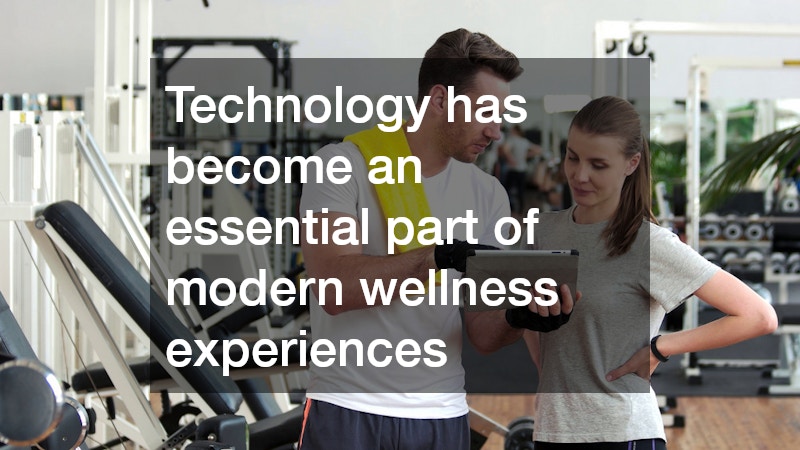
Technology has become an essential part of modern wellness experiences, helping fitness centers provide more convenient, personalized, and supportive services for their members. Organized digital systems improve communication, simplify scheduling, and create smoother daily operations that benefit both clients and staff.
By embracing modern tools and prioritizing member convenience, wellness facilities can build stronger communities while helping individuals achieve their health and fitness goals more effectively. Consistent support, organization, and accessibility create a positive foundation for long-term wellness success.